
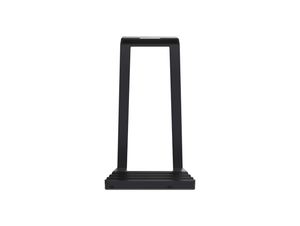


I was genuinely excited about the concept of the ROLI Airwave when I first ordered it. After multiple delays, I finally received it nearly a year later. Unfortunately, the experience didn’t live up to the anticipation. I used it consistently for about a week before losing interest. In practice, it feels more gimmicky than transformative. As a Seaboard user, I already have access to five dimensions of touch (Strike, Press, Glide, Slide, Lift). Adding Airwave on top of that often results in parameter redundancy or excessive modulation. While the hand gestures look impressive visually, the software response isn’t consistently smooth. Expression control can feel choppy or imprecise, which undermines its usefulness in performance or detailed sound design. Setup was also frustrating. I struggled for about a week with gestures not triggering at all and ultimately had to contact support to receive a software update that resolved the issue. For a device positioned as a forward-thinking performance tool, that onboarding friction was disappointing. The physical design is another drawback. The tower form factor demands a central position in the studio or live setup, which interferes with ergonomics and screen visibility. It becomes an obstruction rather than a seamless extension of the instrument. There are now other air-gesture controllers emerging with lower-profile designs that sit flat on a desk and don’t block the workspace. Additionally, many of these alternatives allow more open and flexible mapping. Airwave relies heavily on proprietary software and stock-loaded sounds, which limits integration flexibility compared to direct MPE or MIDI mapping workflows. Gesture mapping can also be cumbersome. In some cases, other software outside of the Airwave environment misinterprets gestures, leading to unintended parameter triggers. Dialing in a single sound the way you want can take significantly longer than simply mapping directly on the Seaboard itself — which is more predictable and efficient. In my case, I often play keys with one hand and use a drum machine with the other. Unless I use a pedal to disable gesture detection, Airwave picks up my finger drumming movements off to the side and unintentionally triggers effects. That makes it impractical in a real performance workflow. After a week, I stopped using it. It now sits unused. To me, it feels more like a novelty device — visually interesting, but not essential. In contrast, the Seaboard remains a powerful, serious instrument for expressive music creation.

Reply from ROLI

